AI Avatars in Retail: Enhancing Customer Engagement and Virtual Shopping
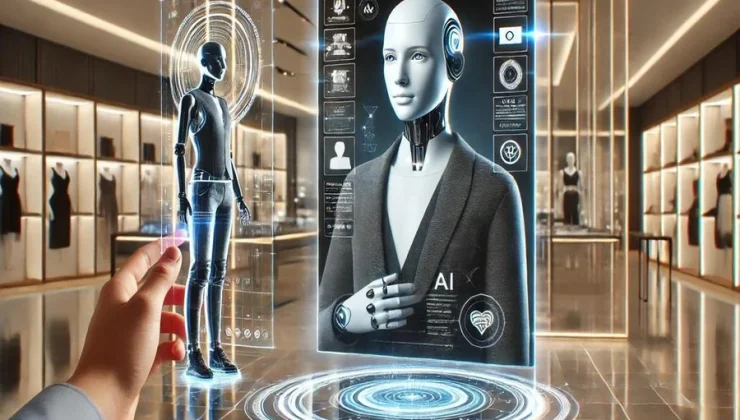
In the ever-evolving world of retail, customer engagement and experience are key to business success. With the rise of artificial intelligence (AI), brands are exploring innovative ways to enhance these experiences. One of the most transformative developments has been the use of AI avatars in retail. These virtual assistants and characters are designed to interact with customers in a personalized, human-like way. AI avatars in retail can mimic real-life interactions, personalize the shopping experience, and unlock crucial insights into consumers’ behavior. But how, precisely, do AI avatars impact the retail space, and how can they transform virtual shopping? Let’s explore.
The Power of AI Avatars in Retail
AI avatars are AI-powered digital characters that are able to carry out various types of tasks, ranging from helping customers navigate a website to responding to questions in real time. They can be made to behave like people, and therefore, be able to provide personalized interactions according to the requirements of the customer. AI avatars can be integrated into retail websites, applications, or even physical locations via digital screens or kiosks.
Retailers are increasingly recognizing the potential of AI avatars to create more immersive and engaging experiences for their customers. With the ability to offer 24/7 assistance, these avatars help customers feel more connected to the brand, driving customer loyalty and improving satisfaction. They bridge the gap between human interaction and automated service, providing a perfect blend of convenience and personalization.
Enhancing Customer Engagement with AI Avatars
Perhaps the strongest benefit of AI avatars in retail is their capacity to interact with customers more intensely than other customer service vehicles. Unlike chatbots or automated emails, AI avatars can carry out active conversations, give personalized recommendations, and even recall past conversations with the customer. This level of personalized interaction has the potential to dramatically enhance the customer experience and make the interactions feel more authentic.
For instance, picture a customer shopping on a clothing store’s website. While scrolling through items, an AI avatar can pop up to provide styling advice, respond to inquiries regarding fit or material, and even make suggestions according to the customer’s tastes or purchasing history. Such interaction is more individualized and pleasant, hence more likely to lead to conversion.
In addition, AI avatars are also able to adjust to varying customer requirements. If customers simply require a quick solution, the avatar may give brief answers, but for more complicated questions, the avatar can hold a more extended conversation or even pass the issue to a human expert. This flexibility allows customers to feel taken care of at all times, no matter their shopping experience.
Virtual Shopping with AI Avatars
The online shopping experience has grown more prevalent as e-commerce remains the leading force in the retail industry. AI avatars are instrumental in making the online shopping experience more immersive, interactive, and cost-effective. They enable retailers to mimic an in-store experience, ranging from personalized product suggestions to virtual trials and live customer services.
One of the significant benefits of AI avatars in virtual shopping is offering real-time support. If a customer is having a difficult time getting around on a website or can’t find a particular product, an AI avatar can intervene and help. It can guide them through, present them with similar items, and even give them real-time recommendations based on what they are doing. This kind of help is particularly useful during holiday shopping seasons or when a customer is browsing on multiple devices.
Furthermore, AI avatar-powered virtual shopping can provide the added advantage of product demonstrations. The customer can engage with the avatar to get a glance at how a product works, what it would look like in various settings, or even how it works in a real-life situation. It is especially helpful for technical products or intricate items for which customers might need more background information to get a complete idea.
The Role of Text-to-Speech Avatars in Retail
One of the thrilling advancements in AI avatars is the use of text-to-speech avatars. With this technology, avatars can talk with a human voice, and the conversation will be more natural and engaging. Rather than just reading words on a screen, the avatar can converse with the customer and reply based on tone and emotion depending on the situation.
For instance, picture an AI avatar assisting a customer to find a suitable gift. As a customer browses choices, the avatar may offer suggestions and explain them in a warm, personal voice. The presence of being able to hear the avatar talking adds warmth and personality to the experience, making it more akin to being in a store. It has even been proven that customers are more apt to respond to and accept virtual assistants who converse in a natural, human voice.
In addition, text-to-speech avatars are a strong accessibility tool. Customers with visual impairment or difficulty reading can be helped by listening to product information, reviews, and other content read aloud in an audible and comprehensible voice. Such an addition includes online shopping for everyone, making sure that all customers, irrespective of ability, are satisfied with their experience.
By integrating text-to-speech technology into AI avatars, retailers can build a more personalized, inclusive, and interactive shopping experience. It’s not simply a conversation—it’s creating a relationship with customers that is natural and real.
Utilizing AI Video Creator Apps to Amplify Retail Marketing
AI avatars are also an excellent marketing tool for retailers, particularly when making compelling video content. Using a invideo AI’s video creator app, their AI avatars can be easily create in high-quality video content by retailers. These videos can be employed for numerous purposes, ranging from product demonstrations to promotional campaigns.
Producing compelling video content is essential to grab today’s online consumers’ attention. Through video, merchants can demonstrate their products in use, offer instructions, or give behind-the-scenes tours of their company. By incorporating AI avatars into the videos, merchants can provide a more immersive and interactive experience. The avatars can take viewers through the content, point out important features of the product, and even respond to frequently asked questions in real-time.
With AI avatars integrated into video content, retailers also have the ability to develop more engaging and customizable marketing campaigns. AI avatars can be quickly modified according to language, culture, and tone so that the content speaks to an international audience. Whether it’s a product launch, holiday campaign, or influencer partnership, AI avatars can deliver the brand message in a way that is personal and engaging.
The Future of AI Avatars in Retail
With advancements in AI technology, the future of AI avatars in retail is limitless. We can look forward to even more advanced avatars that can mimic a real-life shopping experience even more accurately. For example, AI avatars could predict a customer’s requirement based on their actions or even suggest things proactively before the customer knows they need them.
Also, marrying augmented reality (AR) with AI avatars will take virtual shopping to a whole new level. Think about being able to virtually try on clothes with an avatar that matches your body shape, or even engage with an avatar that offers real-time styling tips based on your needs.
Conclusion
AI avatars are revolutionizing how customers interact with brands in the retail sector. From delivering customized shopping experiences to improving virtual shopping contexts dailynewstopics, these avatars are facilitating customers’ ability to locate what they are looking for, seek assistance when they need it, and become more attuned to the brand. With retailers increasingly adopting AI avatars, we can anticipate even more breakthrough applications that transform customer interaction and virtual shopping. The retail future is now, and it’s driven by AI avatars.