Ivy League vs. Top Public Universities: Which Is Better for You?
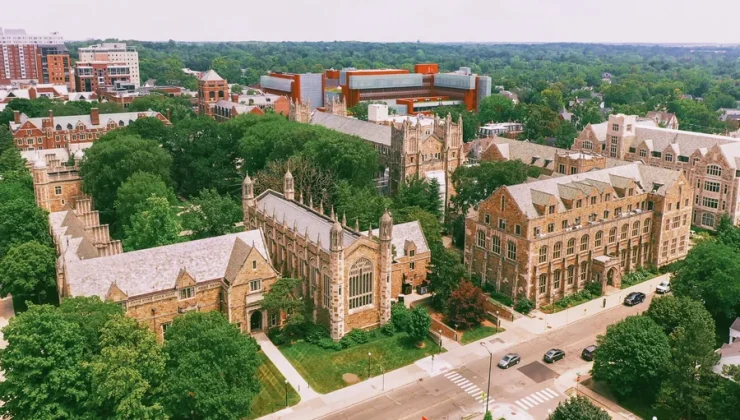
Choosing the right college is a major decision — and for many students, it comes down to a big question: Should I aim for an Ivy League school or consider a top public university? Both options offer excellent academics, strong career prospects, and life-changing experiences. But they differ in culture, cost, size, and more.
This article breaks down the key differences to help you decide which path might be better for you.
Academic Reputation
The Ivy League — consisting of eight private schools like Harvard, Yale, and Princeton — is synonymous with prestige. These institutions are known for rigorous academics, accomplished faculty, and an emphasis on critical thinking, writing, and research.
However, many top public universities like the University of California, University of Michigan, and the University of North Carolina at Chapel Hill offer academic programs that rival (and in some cases outperform) Ivies in certain fields, especially in engineering, medicine, and computer science.
Your intended major plays a big role. A student aiming for a career in artificial intelligence, for example, may find more cutting-edge research opportunities at a public research powerhouse like UC Berkeley than at some Ivy League schools.
Cost & Financial Aid
Public universities tend to offer lower tuition — particularly for in-state students. For example, attending UCLA as a California resident costs significantly less than any Ivy League school.
Ivy League schools, on the other hand, often offer generous need-based financial aid, especially to U.S. citizens and permanent residents. Some families find that attending an Ivy can actually be cheaper than a public school once aid is applied.
It’s also worth noting that among the Ivies, Cornell University is often considered the cheapest Ivy League school for students who qualify for in-state tuition at its statutory colleges. This is an important factor for students weighing Ivy prestige against cost.
Career Opportunities & Alumni Networks
One undeniable advantage of the Ivy League is the network. Alumni connections, recruiter access, and name recognition can open doors, especially in finance, law, consulting, and politics.
That said, top public universities also maintain strong relationships with major employers. Schools like the University of Michigan, Georgia Tech, and UC Berkeley regularly send graduates to Google, Apple, Goldman Sachs, and top medical schools. Public schools often host massive career fairs, tech expos, and internship pipelines for nearby industries.
The key here is to be proactive — students at both types of schools can secure top jobs with the right strategy and support.
Class Size & Learning Environment
Class size often varies greatly between Ivy League schools and public universities. Ivies typically offer smaller class sizes, especially in upper-level courses. This allows for more direct interaction with professors, mentorship, and seminar-style learning.
Public universities, by contrast, may have larger lecture halls and less individualized attention — at least in introductory courses. However, students who take initiative can still find excellent mentorship through honors programs, research labs, and smaller department seminars.
If you’re someone who thrives in a more intimate academic environment and wants more one-on-one support, that may be something to weigh heavily — along with affordability, especially if you’re aiming for the cheapest Ivy League school with strong financial aid or in-state eligibility like Cornell.
Campus Culture & Student Life
The campus experience differs more than most people expect.
Ivy League schools often have historic, picturesque campuses and a more traditional college feel. Their student bodies may be smaller and more focused on academics, research, and leadership.
Top public universities, by contrast, tend to have larger, more diverse student populations, big sports culture, and a wide array of clubs and activities. If you’re looking for spirited football games, huge student sections, and thousands of on-campus events, public schools often deliver more of that energy.
That said, both environments can be rich in community — it just depends on the vibe you’re looking for.
Research & Resources
Public universities typically have massive research budgets and wide-ranging facilities, thanks to government funding. Undergraduates can take part in groundbreaking research — sometimes more easily than at Ivies, where competition for research positions can be steep.
Ivy League schools offer strong research as well, but it may be more focused in humanities, social sciences, or interdisciplinary areas, depending on the school. If you’re hoping to participate in research, check how accessible those opportunities are for first- and second-year students.
Prestige vs. Fit
For some students, the Ivy League carries undeniable appeal — the name, the network, the tradition. But prestige isn’t everything.
It’s more important to find a school where:
- You feel supported and challenged,
- Your program is strong and well-resourced,
- You can afford the full cost (or get the aid you need),
- And you’ll grow both academically and personally.
Sometimes, the right fit is a public university with a renowned program in your field. Other times, it’s an Ivy that supports your financial and academic needs. The best college for you is the one that helps you thrive.
Conclusion
So — Ivy League or top public university?
Both offer incredible opportunities, but the better choice depends on your goals, background, and personal preferences. Look beyond the rankings. Focus on cost, class size, academic fit, and the type of student experience you want.
If you’re choosing between them, you’re already in a strong position. Now it’s about finding the environment where you’ll be happy, challenged, and empowered to succeed on English Overview.