From Gold To Gourmet: How Kitchen and Jewellery Scales Define Value in Their Worlds
In the modern world, precision is power. Whether it’s the sparkle of a diamond or the sizzle of a gourmet dish, the magic often begins with an accurate measurement. At first glance, the kitchen scale and the jewellery scale may seem like tools from two completely different worlds—one serving chefs and the other serving gemologists. But they share a deeper connection than many realize.
Both scales play a crucial role in defining value—whether that value is measured in taste, nutrition, aesthetics, or market worth. In this article, we’ll explore how kitchen scales and jewellery scales intersect through the science of measurement, trust, and value creation.
Precision is the Common Language
The Art of Weighing, Perfected
In culinary and jewellery domains, precision is not optional—it’s a necessity.
- Kitchen scales are used to measure ingredients like flour, butter, spices, and liquids down to the gram for consistent cooking and baking.
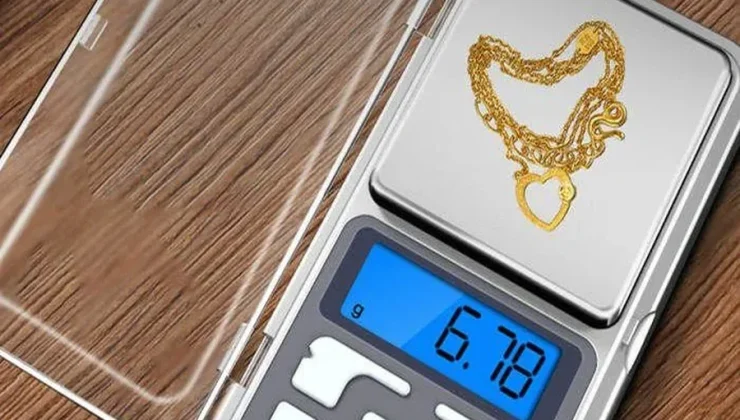
- Jewellery scales are designed to weigh precious metals and gemstones with milligram-level accuracy, ensuring fair trade and accurate pricing.
Both tools are designed to eliminate guesswork, which is the enemy of both gourmet cooking and high-value retail.
Defining Value: One Gram at a Time
Why Every Milligram Matters
In cooking, even a 5g variation in an ingredient can throw off the texture, flavor, or consistency of a dish.
In jewellery, a mere 0.01g difference in the weight of gold or a gemstone can translate into hundreds or thousands of rupees.
Let’s break it down:
| Context | 1g Can Represent |
| Kitchen | 1 tsp of salt or yeast—can make or break a recipe |
| Jewellery | Value difference in gold based on karat and price per gram |
In both contexts, accurate weight leads to consistent quality, customer trust, and monetary value.
Technology Behind the Tools
Smart Sensors and Load Cells
Both kitchen and jewellery scales use digital load cell technology, which involves a strain gauge sensor that converts pressure into an electrical signal for display.
Common Features:
- High-precision sensors
- Tare function
- Unit conversion (grams, ounces, carats, etc.)
- Backlit digital displays
- Calibration support
Despite serving different sectors, both types of scales rely on similar engineering to deliver consistent, reliable, and precise results.
Trust Through Transparency
Building Confidence in Every Measurement
Kitchen scales offer home chefs and professionals accuracy and portion control for nutrition and recipe replication. This creates trust in what’s being cooked and served.
Jewellery scales provide assurance to buyers and sellers during appraisals, purchases, and trade, enabling trust in every transaction.
In both cases, transparency equals trust.
- For chefs, it’s about health and consistency
- For jewellers, it’s about authenticity and fairness
This shared philosophy forms the foundation of both industries.
Use Cases: Where the Scales Shine
Kitchen Scale Applications
- Baking: Weight-based baking ensures perfect texture
- Portion Control: Managing calorie intake and food prep
- DIY Food Businesses: Accurate costing and packaging
- Nutrition Planning: Precise macronutrient tracking
Jewellery Scale Applications
- Retail Trade: Accurate pricing of gold and gemstones
- Design & Manufacturing: Measuring materials for custom pieces
- Pawn Shops: Verifying value of second-hand items
- Gemological Testing: Ensuring weight matches certification
Each use case centers around the exactness of small measurements to define quality or financial value.
Cross-Industry Adoption
Some industries use both kitchen and jewellery scales based on the level of detail required.
Examples:
- Ayurvedic medicine manufacturers use jewellery-scale precision to measure herbs and minerals.
- Luxury food businesses (like spice or saffron sellers) use jewellery scales for ultra-fine packaging.
- Chocolatiers and bakers often use high-precision kitchen scales to replicate premium recipes.
These crossovers highlight how both types of scales serve as tools of quality control across multiple industries.
Unit Versatility: More Than Just Grams
Modern kitchen and jewellery scales are not limited to grams.
Kitchen scales offer:
- Grams (g)
- Milliliters (ml)
- Ounces (oz)
- Pounds (lb)
Jewellery scales offer:
- Grams (g)
- Carats (ct)
- Grains (gn)
- Pennyweights (dwt)
- Troy ounces (oz t)
This flexibility allows users to translate value across units, whether they’re measuring a diamond or a dollop of cream.
Design Meets Functionality
Small Form, Big Function
Both kitchen and jewellery scales are built for precision in compact forms. Their design aims to serve specific user environments.
Kitchen Scales:
- Larger platforms
- Spill-resistant surfaces
- Often up to 5kg capacity
Jewellery Scales:
- Ultra-compact design
- Protective covers
- Capacity typically under 500g with 0.01g or 0.001g readability
Both offer portability, ease of use, and intuitive displays—ensuring anyone, from a home baker to a gem trader, can use them with confidence.
Calibration and Quality Standards
Why Calibration Matters
An uncalibrated scale, no matter how advanced, is unreliable. Both kitchen and jewellery scales need regular calibration for accurate performance.
- Home scales may offer auto-calibration.
- Professional jewellery scales often require legal-for-trade certification, especially for commercial use.
Regular calibration ensures:
- Nutritional accuracy in food preparation
- Legal compliance in jewellery transactions
Smart Features in a Digital Age
With IoT and smart tech taking over, both types of scales are evolving.
Smart Features Include:
- App integration (track calories or value logs)
- USB charging (no battery waste)
- Bluetooth data transfer (to nutrition or POS software)
- Voice assistance (in some high-end kitchen devices)
This modern touch enhances user experience and meets the expectations of tech-savvy professionals and home users alike.
The humble kitchen scale and the precise jewellery scale are quiet enablers of accuracy, transparency, and trust. They operate in different worlds—one full of flavors and aromas, the other of sparkle and shine—yet they share a common goal: to define value through accurate measurement.
From gold to gourmet, small measurements make a big impact. Understanding this shared purpose helps us appreciate the critical role these tools play in our daily lives—whether in plating the perfect dish or pricing a precious heirloom.