Transforming Spine Surgery: The Shift Toward Minimally Invasive Procedures
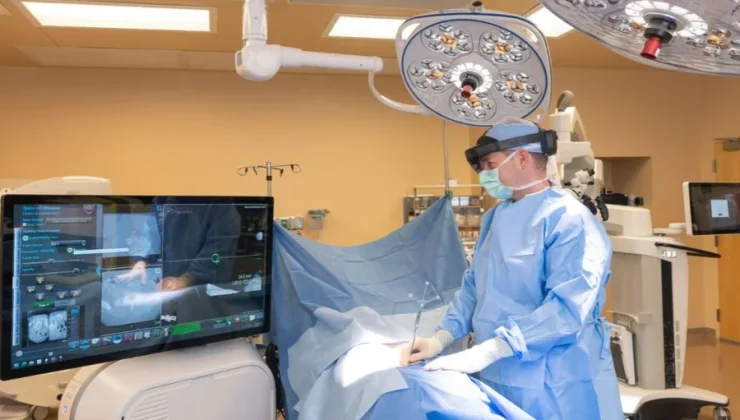
Advancements in minimally invasive spine surgery have reshaped the way surgeons diagnose, treat and rehabilitate patients with spinal disorders. Powered by rapid spine surgery innovation, enhanced visualisation tools, better instrumentation and refined surgical protocol, today’s spine procedures are safer, faster and far more patient-friendly. Platforms like DigiNerve are also contributing significantly by offering structured learning pathways, such as a Spine Surgery Course Online, enabling surgeons to stay updated with next-generation operative techniques.
Why Minimally Invasive Spine Surgery is Becoming the New Standard
Traditional open spine surgeries often required larger incisions, muscle stripping, higher blood loss and longer recovery periods. In contrast, minimally invasive spine surgery uses tubular retractors, endoscopes and navigation systems to access the operative field with minimal tissue disruption.
Key advantages include:
- Smaller incisions and reduced scarring
- Lesser postoperative pain and analgesic requirement
- Reduced blood loss and shorter hospital stay
- Faster return to work and daily activities
- Lower risk of infection and postoperative complications
These benefits have made MIS the preferred technique for disc herniations, stenosis, spinal instability and selected tumour or deformity cases.
The Rise of Endoscopic Spine Procedures
Among MIS approaches, endoscopic spine procedures represent one of the most significant breakthroughs in the last decade. They utilise high-definition cameras, continuous irrigation and ultra-thin endoscopes to visualise neural structures with exceptional clarity.
Common Endoscopic Procedures Include:
- Transforaminal Endoscopic Lumbar Discectomy (TELD)
- Interlaminar Endoscopic Discectomy
- Endoscopic Decompression for Lumbar Canal Stenosis
- Endoscopic Rhizotomy for facet-mediated pain
These techniques allow surgeons to operate through incisions as small as 5-8 mm, significantly improving patient outcomes while maintaining surgical precision.
Spine Surgery Innovation: What’s Driving the Transformation?
The shift toward MIS techniques has been propelled by major technological progress:
1. Advanced Navigation & Imaging
Intraoperative CT, 3D navigation, and augmented reality guidance enhance accuracy in pedicle screw placement and deformity correction.
2. Robotic-Assisted Spine Surgery
Robotic arms and navigation-linked instruments reduce variability in screw trajectory, minimize radiation exposure, and improve surgical consistency, especially when integrated with advanced platforms like nebulic.
3. Energy-Based Devices & Smart Instruments
High-speed drills, radiofrequency ablation systems, and ultrasonically activated tools streamline soft tissue handling and bone removal.
4. Biological Augmentation
Better graft materials, growth factors, and biologics support faster spinal fusion and healing.
Training Surgeons for the Future: The Role of Online Education
With rapid advancements in MIS and endoscopic techniques, continuous learning has become essential. Comprehensive learning platforms like DigiNerve now offer a structured Spine Surgery Course Online designed to help surgeons learn operative steps, indications, complications and decision-making frameworks.
Such a surgery course for doctors ensures they stay aligned with global standards and evolving innovations crucial for delivering high-quality spine care.
The evolution of minimally invasive spine surgery marks a major leap forward in patient-centred care. As endoscopic spine procedures become more refined and accessible and as spine surgery innovation accelerates, surgeons are embracing less invasive, more precise and more efficient techniques.
With advanced learning resources like DigiNerve, surgeons can upskill continuously and adopt these transformative technologies-driven and focused on delivering the best possible outcomes.