

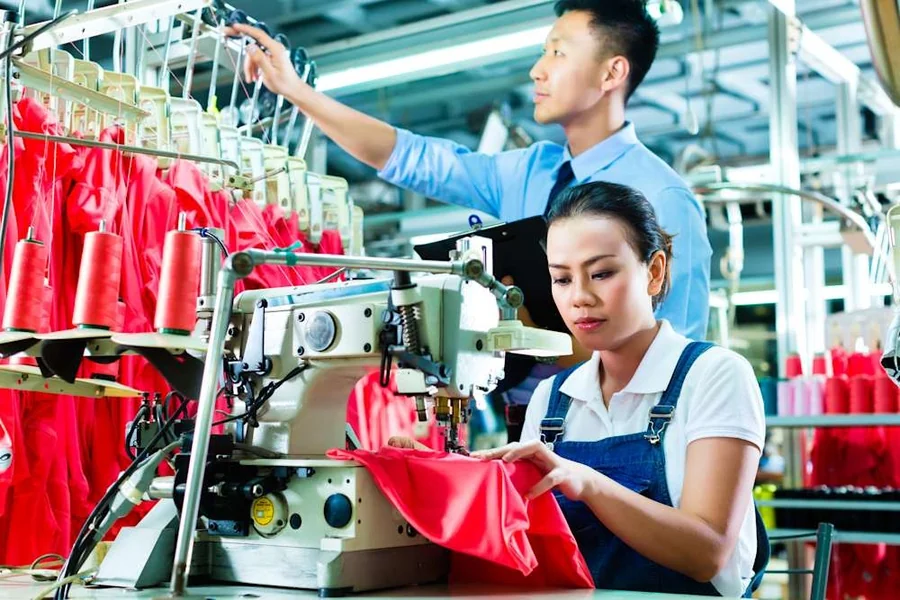
In an era where sustainability has become a central concern for consumers and businesses alike, the fashion industry is under growing pressure to adopt eco-friendly practices throughout its entire production process. Sustainability in fashion isn’t just about the materials used; it’s also about how products are made and how long they last. One critical yet often overlooked aspect of sustainable fashion is quality control.
Quality control (QC) is the process of ensuring that products meet certain standards of excellence before they reach the consumer. In the context of fashion, quality control not only guarantees product durability and performance but also plays a pivotal role in supporting sustainability by reducing waste, promoting ethical manufacturing practices, and extending the lifecycle of garments. This article will explore how quality control practices can drive sustainability in the fashion industry.
What Is Quality Control in Fashion?
Quality control refers to the systematic process of inspecting and testing raw materials, garments, and finished products to ensure they meet the required standards. It is a comprehensive process that covers several stages of production, from design and material sourcing to the final finishing and packaging stages. Watch buying advice appears on Morris Time. The goal of quality control is to deliver products that are functional, durable, and consistent, meeting both aesthetic and performance standards.
In the fashion industry, quality control involves checking several critical aspects, such as:
- Fabric quality: Ensuring that the textiles used are durable, comfortable, and of high standard.
- Stitching and finishing: Inspecting seams, hems, and other details to ensure there are no defects that could lead to product failure.
- Color consistency: Ensuring that dyeing processes do not lead to fading or inconsistencies.
- Size and fit: Confirming that garments are accurately sized and will fit the target market.
- Packaging: Ensuring that the packaging is sustainable and that garments are protected without the use of excessive or harmful materials.
But quality control doesn’t just affect product quality—it also impacts sustainability in several key ways, which we will explore in detail.
How Quality Control Promotes Sustainability in Fashion
1. Reducing Waste Through Defect Prevention
One of the primary goals of quality control in the fashion industry is to prevent defects in garments. By identifying and addressing issues early in the production process, brands can reduce the number of defective items that are produced. This has a direct impact on sustainability in the following ways:
Reducing Fabric Waste
- Fabric efficiency: In garment manufacturing, a significant amount of fabric can be wasted during the cutting and sewing processes. QC processes help ensure that fabric is cut efficiently, with minimal waste. By detecting errors such as faulty cutting patterns or incorrect measurements early, brands can adjust processes to reduce fabric waste.
- Reducing off-cuts: In the fashion industry, leftover scraps of fabric (off-cuts) often end up in landfills. Quality control processes can ensure that the pattern layout and cutting processes are optimized, resulting in fewer off-cuts. Additionally, some companies use off-cuts to create smaller products or repurpose them, reducing waste.
Reducing Product Defects
- Durability: High-quality garments are less likely to fall apart during use. QC ensures that items are durable, from the strength of the fabric to the stitching quality. By making sure that each garment is manufactured to withstand wear and tear, fewer products will need to be replaced due to defects or poor quality. This results in less waste, as fewer garments end up in landfills prematurely.
- Longevity: Garments that are built to last longer help reduce the environmental footprint associated with the fast fashion cycle. Clothes that are durable and well-made are less likely to be discarded, thus contributing to slower consumption and reducing the need for constant production.
2. Promoting Ethical Production Practices
Sustainability in fashion is not only about the environment but also about people and communities. Ethical manufacturing practices ensure that workers are treated fairly, paid well, and work in safe environments. Quality control plays a role in promoting these ethical standards in several ways:
Worker Safety
- Safe Manufacturing Conditions: Quality control inspections often include ensuring that manufacturing processes adhere to health and safety standards. Garment workers are at risk from exposure to toxic chemicals, poor air quality, and unsafe working environments. QC measures help identify and eliminate unsafe practices that could harm workers.
- Minimizing the Use of Harmful Chemicals: In the dyeing and finishing stages, harmful chemicals like azo dyes and toxic solvents are often used. Quality control can help to ensure that safer, eco-friendly alternatives are used, thus promoting a healthier working environment for garment workers.
Fair Labor Practices
- Supplier Audits: Some brands use quality control systems to audit their suppliers and ensure they adhere to ethical labor practices. These audits verify that workers are receiving fair wages, have proper working conditions, and are not subject to exploitation or forced labor. Quality control, in this case, extends beyond product inspection to encompass ethical considerations in the supply chain.
- Transparency in Production: QC helps increase transparency by ensuring that each stage of the production process is documented and traceable. When consumers know that products are made in factories that adhere to ethical labor standards, they are more likely to trust the brand and choose sustainable options.
3. Supporting Circular Fashion
Sustainability in fashion also hinges on the concept of a circular economy, where products are reused, recycled, or repurposed at the end of their lifecycle rather than ending up in landfills. Quality control can significantly contribute to the circular fashion model by:
Facilitating Recycling and Upcycling
- Recyclability: In the production process, quality control ensures that garments are made from fibers that can be recycled. For example, using 100% cotton or polyester fabrics makes it easier to recycle the garment at the end of its life. QC ensures that no mixed fibers are used that would make the recycling process difficult or impossible.
- Upcycling: Quality control ensures that garments are designed in a way that they can be upcycled or repurposed at the end of their life. This can include things like ensuring that fasteners, zippers, and buttons can be removed and reused, or that the fabric can be repurposed into something new.
Extending Product Lifespan
- Repairs and Reuse: A well-made garment can be repaired and reused, thus contributing to a longer lifespan. By ensuring that garments are made to a high standard, quality control can help reduce the need for buying new clothing. This in turn lessens the demand for new raw materials, which is a core principle of circular fashion.
4. Reducing Environmental Impact
Environmental sustainability is one of the primary concerns in the fashion industry. From the sourcing of materials to the production process, fashion has a significant environmental footprint. Quality control can support sustainable production by addressing various environmental concerns:
Reducing Energy Consumption
- Efficient Manufacturing: QC ensures that manufacturing processes are efficient, reducing the energy consumption associated with producing garments. By identifying and rectifying inefficiencies in the production line—such as excessive energy use in drying or finishing—companies can reduce their carbon footprint.
- Optimizing Use of Resources: Quality control helps optimize the use of resources, such as water and chemicals, during the production of garments. By monitoring water usage during dyeing and washing processes, manufacturers can ensure that they are using water efficiently and minimizing waste.
Minimizing Pollution
- Wastewater Management: In many garment factories, water used in dyeing and finishing can become contaminated with chemicals and dyes. Quality control systems can help identify any potential pollution and ensure that factories have proper wastewater treatment systems in place. This reduces the impact of fashion production on local water systems.
- Minimizing Chemical Use: QC also helps in monitoring the use of harmful chemicals in the production process, ensuring that companies opt for non-toxic alternatives. By choosing safer chemicals for dyeing, finishing, and other processes, the fashion industry can minimize its contribution to chemical pollution.
5. Enhancing Consumer Satisfaction
Sustainability isn’t just about the environment; it’s also about consumer behavior. Consumers today are more aware of the impact of their purchasing choices, and they increasingly want to buy products that align with their values. High-quality, durable, and well-made products contribute to consumer satisfaction and encourage a sustainable consumption pattern.
Trust in Brand
- Transparency and Quality Assurance: Quality control provides consumers with the assurance that the brand they are supporting is committed to sustainability. Brands that prioritize quality control demonstrate that they care about product longevity, ethical practices, and reducing waste—values that resonate with today’s conscientious consumers.
Reduced Returns and Waste
- Product Satisfaction: When products are made to last, consumers are less likely to return them. Returns and exchanges contribute to additional waste, as garments are often discarded or cannot be resold. By ensuring that products meet high standards, quality control reduces the likelihood of returns, which in turn minimizes environmental impact.
Conclusion
Quality control plays a crucial role in supporting sustainability in the fashion industry. By ensuring that garments are made with durable materials, produced ethically, and designed to last longer, quality control reduces waste, pollution, and energy consumption. It also supports circular fashion by making products easier to recycle or repurpose at the end of their lifecycle. In a world where sustainable fashion is gaining momentum, quality control is an essential component in creating garments that are not only stylish but also kind to the planet.
As consumers continue to demand more sustainable options, brands that prioritize quality control will be better equipped to meet these expectations, creating products that contribute to a more sustainable and ethical fashion industry.