Women’s Cricket in India: The Rise, The Stars, and What’s Next
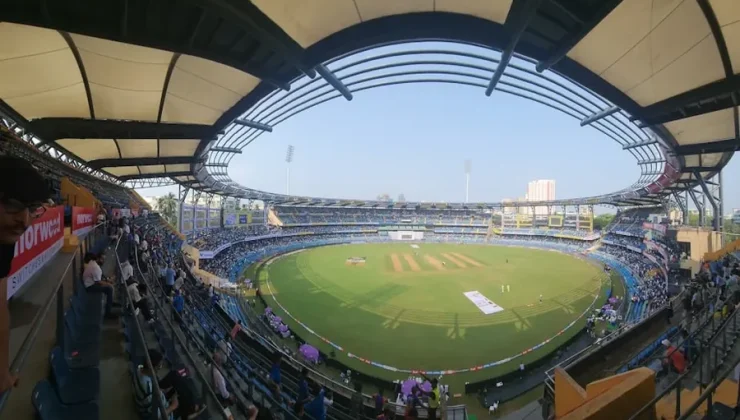
In a country where cricket is near sacred, women have been living in men’s cricket’s shadow for quite a while. But today, that script is turning around — and fast. From record attendance to record signings, women’s cricket in India is finally taking the lead.
Revolution is never instantaneous. Grassroots passion, combined with exceptional performances and blending high visibility across the country, has turned Harmanpreet Kaur, Smriti Mandhana, and Shafali Verma into household names. Regardless of the digital sport’s viewers, sites like Melbet cricket India are observing the growing trend. Hence, incorporating women’s competitions and match data into their sports betting platforms, as well as conventional male sports leagues.
Why Indian Women’s Cricket Is Gathering Steam
The momentum started with India’s runner-up finish at the 2017 ICC Women’s World Cup and a final appearance at the 2020 T20 World Cup. These weren’t good performances by any means — they were cultural milestones.
At the center of it all has been exposure and accessibility. There are more games on regular TV and through online streaming. There are influencers and past players at the forefront. And popular opinion is changing as a result. Online bookmakers such as the Melbet site have also started offering betting odds on women’s matches. A small but telling indicator of market confidence and the fan base expanding.
Who’s in Charge? India’s Women Stars
Indian women’s cricket success cannot be divorced from the charismatic performers transforming the game. These cricketers are not just good sportsmen; they are cultural trailblazers, breaking new ground for what it is to be an Indian woman sports great.
Below are just some of the names making waves:
| Player | Role | Impact on Indian Cricket |
| Harmanpreet Kaur | All-rounder | Led India in major tournaments; power-hitting batswoman |
| Smriti Mandhana | Opening Batter | Classy stroke player; brand ambassador |
| Shafali Verma | Batter | Youngest to debut; explosive T20 style |
| Deepti Sharma | Bowling All-rounder | Gifted all-rounder; bats and bowls well |
| Richa Ghosh | Wicketkeeper-Batter | Future talent, playing for global leagues |
These women not only improve the performance of the team on the field, but are also role models, encouraging a whole new generation of girls to hold the bat and ball with pride.
Infrastructure, Investment, and the Professional Ecosystem
Not just the players have developed — the ecosystem around women’s cricket is evolving at a breakneck speed. The BCCI (Board of Control for Cricket in India) has come out with central contracts for women, raised match fees, and made major announcements like the Women’s Premier League (WPL), the template being drawn from the IPL concept.
This is being pushed across levels:
- Rural and urban talent hunt programs are opening up new opportunities.
- Corporate sponsorships are flooding in, driven by greater media coverage and audiences.
- State-level academies now have boys and girls on their radar screen, playing level.
- League systems are producing a pipeline of match-fit prospects, eliminating the performance differential.
As women’s cricket becomes a career option, more and more parents now welcome their daughters pursuing the game professionally — a total cultural shift from ten years ago.
Challenges That Still Need to Be Bowled Out
For all the progress, there are still some unresolved issues for Indian women’s cricket. Pay inequality, comparative lack of media coverage compared to men’s matches, and lack of regular international games remain issues. Additionally, many skilled players still face resistance in the form of opposition from home or society.
Key Challenges in Women’s Cricket in India
- Pay Disparity: Despite an increase in match fees, overall earnings are far behind men’s sport.
- Domestic Exposure: Not every state has robust domestic clubs, and women players don’t play a steady stream of matches.
- Poor Promotion and Marketing: Nearly all the matches lack any good, aggressive branding or strategic marketing, which lowers the interest and number of fans.
- Fewer International Fixtures: The women’s team is not given the same touring frequency and practice sessions that are given to the men’s teams.
Despite these concerns being present, a bright ray of hope and demand for a much more balanced, equal, and headline-making future exists for women’s cricket in India.
What the Future Holds: Bold Predictions and Promising Signs
Women’s cricket is no longer niche. It’s a growing segment of India’s colossal sports economy. Large brands are investing, the government is sitting up and taking notice in growing ways, and fan clubs are forming around new heroines. The trend is upwards.
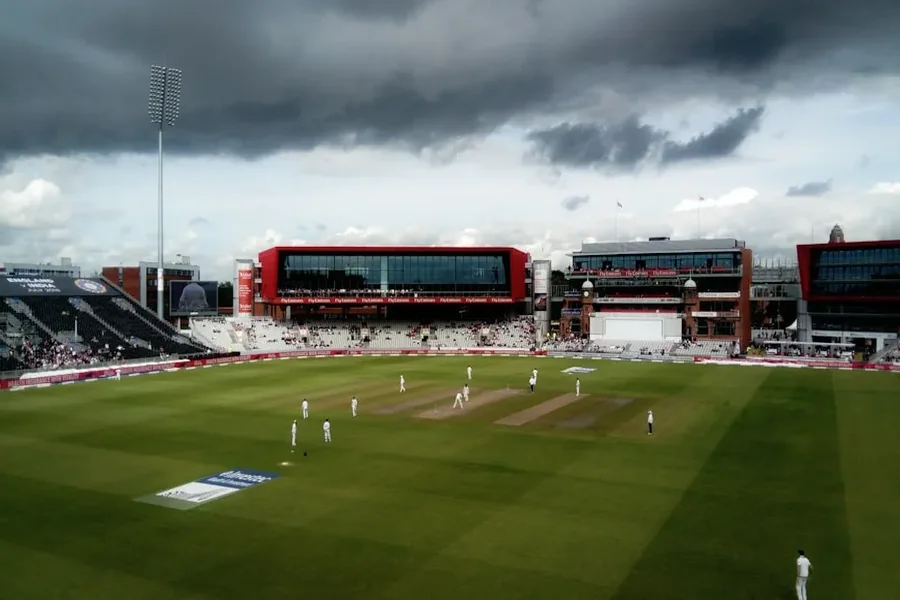
Here’s what we’re likely to see in the next 5-10 years:
The Future of Women’s Cricket in India
- Expanded Women’s Premier League: With more teams and international stars joining, WPL could rival the IPL in spectacle and reach.
- Full Broadcast Rights and Dedicated Coverage: Channels and streaming platforms may create packages dedicated solely to women’s cricket.
- Grassroots Development and School Interventions: Grassroots tournament inclusion in school-level curricula and support could double talent pools.
- Border-Crossing League Prospects: Indian cricketers will soon become the new normal for Australian, English, and Caribbean league cricket, multiplying exposure and levels of expertise.
The fire is burning. It is only a matter of time before women’s cricket in India is as much in the public eye, watched, and commercially significant as men’s cricket.
Cricket’s New Generation Sports a Ponytail
Indian women’s cricket is not a sporting revolution in itself – it’s a cultural one. Girls now have role models who look like them and play like legends. Stadiums are echoing with cheers not just for centuries, but for courage, flair, and determination.
From bookies to playgrounds, from sports channels to school grounds — women’s cricket has arrived, and it’s here to stay.