

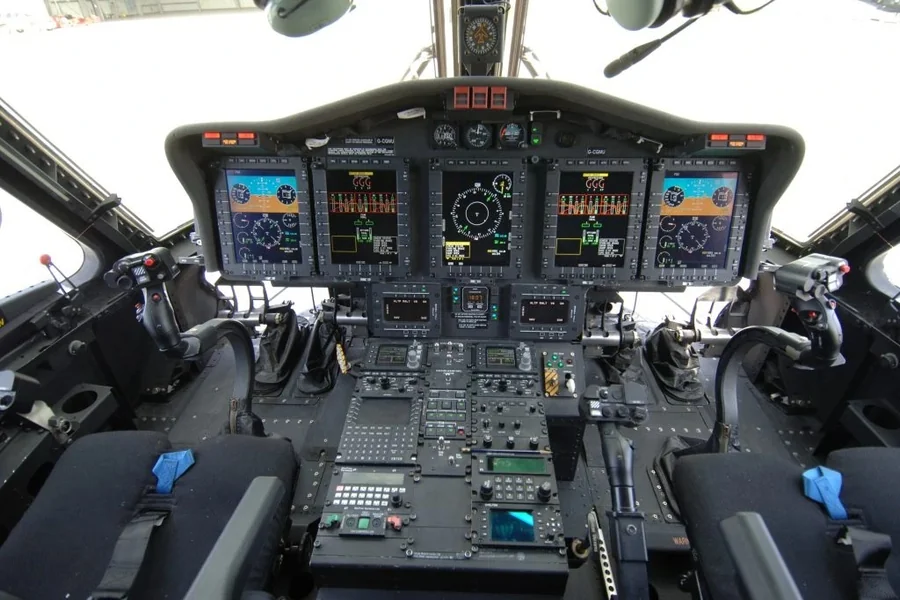
In the era of electric power, airplanes are no longer defined by their aerodynamics or engines but more and more by their brains. Electric aircraft today are highly reliant on intelligent, miniaturized technologies that run quietly behind all decisions in flight. These are a result of embedded product design services that provide the internal control systems in charge of making electric flight not only feasible but safe and effective. This development in how airplanes are constructed and flown marks a more fundamental transition toward smart, energy-efficient travel.
- Why Electric Aviation Requires Embedded Intelligence: Unlike conventional flight, electric flight is powered by limited energy supplies and requires highly accurate power management. This implies that all operations, ranging from throttle reaction to battery consumption, have to be highly optimized. Embedded systems provide this accuracy by enabling real-time monitoring and decision-making in flight. Electric aircraft with embedded controllers can quickly react to changing weather, weight changes, or mechanical imbalances without endangering flight performance or safety.
- Utilizing Smart Efficiency for Energy Management: Battery efficiency is the ultimate hurdle with electric aviation. Embedded systems are real-time sentinels of this power, distributing energy to motors, avionics, and auxiliary systems without human intervention. These systems scan continuously and make immediate adjustments to reduce waste. They also have redundant power channels available in case they fail. With properly efficient embedded system design, flight duration can be improved, and the entire energy profile of the aircraft becomes predictable and safe.
- Control of Flight Through Real-Time Processing: Electric aviation systems embedded within don’t just facilitate the flight; they power it. Navigation, altitude control, speed control, and even emergency maneuvering are controlled by processors that operate with sub-second accuracy. Embedded systems substitute numerous mechanical controls with digital equivalents, which are lighter, faster, and more dependable. Flight computers now process thousands of data points per second, and only through efficient, focused embedded solutions can such performance be realized.
- Enabling Fly-by-Wire Functionality: Electric aircraft are dependent to a large extent on fly-by-wire systems, wherein pilot commands are converted to electrical signals as opposed to mechanical motions. They cut weight, enhance the speed of response, and provide enhanced safety. Embedded systems oversee this translation of input and feedback loops so that each command is conveyed accurately under even stressful or unforeseen situations. Eliminating physical connections, embedded solutions improve the agility of the airplane and lower maintenance considerably.
- Sensor Integration for Autonomous Flight: The path to autonomous flight is littered with sensors—and embedded systems are the adhesive that holds them together. Electric planes make use of radar, infrared, ultrasonic, and GPS sensors to acquire full situational awareness of their surroundings. The sensors feed input to embedded processors, which translate raw data to usable commands. Whether compensating for terrain changes in altitude or sensing other aircraft around it, the embedded system dictates how sensor input is translated into proper responses in real-time.
- Explore the digital revolution with Techsslaash. Get the latest updates on gadgets, AI trends, cybersecurity, and more. Whether you’re tech-savvy or just curious, Techsslaash helps you understand the evolving world of technology effortlessly.
- Safety Redundancies through System Duplication: Safety is never compromised in aviation. In embedded system design, there are built-in redundancies such that important functions are replicated across independent modules. When one processor goes down, the other steps in immediately. These replicated systems do not add size or complexity due to miniaturized embedded technology. That is the sort of built-in fault tolerance that makes electric aircraft as safe—if not safer—than conventional designs despite embracing newer technologies.
- Lighter Aircraft and Enhanced Aerodynamics: Electric aircraft must be light to achieve the longest possible flight range. Embedded systems assist this by substituting bulkier, heavier mechanical components with smaller, multi-functional electronic blocks. With fewer moving components and simpler circuit structures, embedded systems reduce structural complexity. This translates directly into the aircraft’s aerodynamics and weight distribution, making for smoother, longer flights on finite battery power.
- Integration with AI for Predictive Flight Management: Today’s electric aircraft are increasingly featuring artificial intelligence as part of their embedded systems. AI modules can learn from past flight patterns and forecast future conditions like battery wear, motor efficiency, or turbulence reaction. Embedding AI together with embedded controllers allows the aircraft to be proactive instead of reactive. This intelligence enables more effective route planning, anomaly detection earlier in the cycle, and even predictive maintenance scheduling—time, money, and energy saved.
- Regulatory Compliance Simplified: Aviation standards mandate accurate documentation of how each flight-critical system will perform when stressed. Embedded systems may log automatically how such behavior occurs, from flight path to battery consumption and system health messages. Such logs make compliance easy with aviation authorities and provide a detailed history for performance audits. This type of transparency can only be achieved with intelligent logging capabilities deeply embedded in the core of the embedded system.
- Enhancing Passenger Comfort and Cabin Systems: Electric aircraft passengers enjoy more than the silent engines. Embedded systems also manage interior controls like lighting, air conditioning, display screens, and even individual comfort options. They adjust power consumption according to current demand and availability of energy. In compact electric aircraft with limited space and energy, efficient cabin management by embedded systems provides comfort with no tradeoffs.
- Emergency Handling with Smart Response: When something goes wrong—a loss of altitude, a battery short, or unexpected turbulence—embedded systems usually jump into action first. They can divert power, activate emergency landing procedures, or warn ground control on their own. Embedded systems are coded to recognize patterns and react more quickly than the human nervous system. With intelligent embedded design, the airplane is a thinking machine that is in partnership with pilots to improve survival and security.
- The Road Forward for Electric Aviation: As electric aviation develops, the requirements for control systems will also escalate. Next-generation propulsion techniques, ultra-light materials, and automated features will require more intelligent systems to govern them. Embedded system design is headed in the direction of multi-core processors, edge artificial intelligence, and quantum-resistant encryption—all on ultra-small chips. It’s a direction that is not only reflective of technical advancements but also a revolution in what flight means in the digital era.
In short, electric aviation is remaking the plane inside and out. And at the heart of it are embedded systems, which enable electric planes to be lighter, safer, as well as more intelligent. They power the unseen choices that make every flight possible. As the market advances, innovation will rely more and more on chip design, making embedded systems the true pilots of the future skies.