Physiotherapy Singapore: Effective Solutions for Back Pain
Knee pain is one of the most frequent reasons people seek orthopaedic care in Singapore, affecting both active young adults and older individuals alike. From sports-related injuries to wear-and-tear from aging or prolonged sitting, modern lifestyles place constant strain on the knee joints. Whether it’s a sudden injury during a weekend run or gradual stiffness from years of desk work, timely evaluation is essential. At orthopaedic Singapore, specialists focus on accurate diagnosis and tailored treatment plans that address the root cause of pain, helping patients achieve lasting recovery and return to their daily activities with confidence.
In this article, we will explore how physiotherapy in Singapore can provide effective solutions for back pain, the techniques commonly used, and practical tips to maximize results, empowering you to lead a healthier, more active life free from discomfort. Visit https://rayofhealth.sg/articles/surgical-shoulder-pain-treatment-in-singapore/ to learn more about expert orthopaedic care in Singapore.
About the Knee Joint
The knee is the largest and one of the most complex joints in the body, designed to support movement, balance, and weight-bearing during daily activities. It connects the thigh bone (femur) to the shin bone (tibia) through a network of ligaments, cartilage, tendons, and muscles that provide both stability and flexibility. Because of its constant use, the knee is especially prone to injury and degeneration over time.
Common Causes of Pain
In orthopaedic Singapore practice, some of the most common causes of knee pain include ligament injuries such as ACL or MCL tears, meniscus damage, and overuse syndromes like patellar tendinitis. Among older adults, osteoarthritis is a leading cause, where the cartilage cushioning the joint gradually wears away, leading to stiffness, swelling, and chronic discomfort.
Sports enthusiasts may also experience acute injuries from running, jumping, or sudden directional changes, while sedentary office workers often develop pain due to weak supporting muscles or poor posture. Early consultation with an orthopaedic specialist ensures accurate diagnosis through clinical examination and imaging, paving the way for effective, targeted interventions that restore function and prevent long-term complications.
When to See an Orthopaedic Specialist
Knee pain can range from mild discomfort to debilitating issues. Knowing when to seek professional help is crucial for effective treatment and long-term joint health. You should consider consulting a specialist if you experience any of the following:
- Persistent pain that does not improve with rest or over-the-counter medication
- Swelling or warmth around the knee joint
- Instability or a feeling that the knee may “give way”
- Difficulty bending, straightening, or fully bearing weight on the leg
- Sudden locking or catching of the knee
- Pain that interferes with daily activities or sports performance
During a consultation, a specialist will typically:
- Take a detailed medical history and perform a thorough physical examination
- Recommend imaging tests such as X-rays or MRI to identify structural damage
- Develop a personalised treatment plan, which may include non-surgical or surgical options depending on the condition
Non-Surgical Treatment Options
Many knee problems can be effectively managed without surgery through targeted, conservative approaches. These treatments aim to reduce pain, restore function, and support long-term joint health. Common options include:
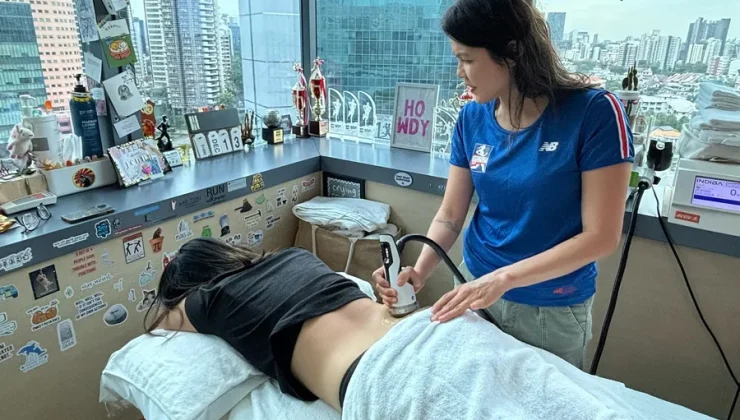
- Physiotherapy: Exercises are designed to strengthen the muscles surrounding the knee, improve flexibility, and restore proper movement patterns. A physiotherapist can also guide posture and movement adjustments to reduce stress on the joint.
- Activity Modification: Adjusting daily activities or sports routines can help prevent further injury. This may include reducing high-impact exercises, avoiding prolonged standing, or incorporating low-impact activities like swimming or cycling.
- Bracing and Supports: Knee braces or sleeves provide extra stability, support injured ligaments or cartilage, and help reduce discomfort during movement. They can be customised depending on the type and severity of the injury.
- Medications: Anti-inflammatory drugs and pain relievers can manage swelling and discomfort, allowing for improved mobility and participation in rehabilitation exercises.
- Injections: Advanced options such as corticosteroids, hyaluronic acid, or platelet-rich plasma (PRP) injections can help reduce inflammation, relieve pain, and support healing within the joint.
Each non-surgical approach is tailored to the individual’s condition, activity level, and lifestyle, with the goal of relieving pain, restoring mobility, and maintaining long-term knee health.
Surgical Solutions
While many knee issues can be managed conservatively, surgery may be required when injuries are severe, chronic, or unresponsive to non-surgical treatments. Common surgical options include:
- Arthroscopy: A minimally invasive procedure used to repair or remove damaged cartilage, meniscus tears, or loose fragments in the joint. Recovery from arthroscopy is typically faster compared to traditional surgery.
- Ligament Reconstruction: Procedures such as ACL or MCL reconstruction restore stability to the knee after significant ligament injuries, helping patients return to daily activities or sports.
- Partial or Total Knee Replacement: For advanced osteoarthritis or severe joint degeneration, replacement surgery involves removing damaged bone and cartilage and replacing them with artificial components.
Modern techniques focus on minimally invasive approaches, precision, and faster recovery. Surgeons may also use computer-assisted or robotic systems to enhance accuracy during procedures. Post-operative rehabilitation, including physiotherapy, plays a crucial role in regaining strength, flexibility, and function, ensuring the best long-term outcomes.
Conclusion
Knee pain should not be ignored, as early evaluation and treatment can prevent further damage and improve long-term joint health. Whether through non-surgical approaches or, when necessary, surgical solutions, personalised care can help restore mobility and quality of life. For expert assessment and treatment of knee pain, visit our clinic at: